
Skill
Leesa Wheelahan discusses the meaning of ‘skill’, a word that is currently completely ubiquitous and yet rarely interrogated.
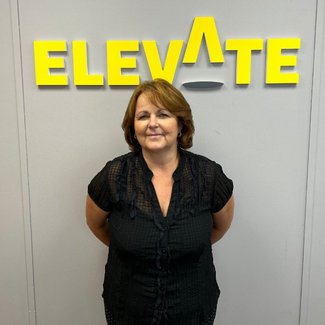
I’ve run Elevate EBP for 25 years and I always say that Education Business Partnerships are one of the sector’s best-kept secrets. We handle employer relationships and complex background admin – like health, safety, and safeguarding, so schools don’t have to. In fact, we hide the wiring so seamlessly that many of the schools we work with don’t realise how much of their provision runs through us. But with work experience, vocational education and skills rising up the national agenda, it’s important that more people understand what this work involves, and what it can achieve.
That’s why Elevate’s annual impact report this year became our Impact and Opportunity Report. Numbers matter, but so do the moments that don’t fit neatly into a spreadsheet. Hearing how a young person’s placement changed their career trajectory is priceless. Last year, for instance, one young woman loved her work experience so much she returned to her host employer over the summer, despite the industry not being her final career goal. Work experience doesn’t always need to be sector-specific to have an impact. Sitting at the centre of everything Elevate does is equitable opportunity. Research shows that children start forming ideas about their future from the moment they begin primary school, yet most primaries lack a formal careers strategy. The Milburn Review’s interim findings show that only 35% of young people feel confident they have relevant work experience for employment. So how do we create equitable, effective work experience for all? Many young people simply don’t have the family connections that make job placements easy to find. Last year, 55% of the placements Elevate facilitated were sourced by us rather than by the young person or their family. We focus heavily on young people facing additional barriers: SEND, mental health difficulties, care or criminal justice experience, or those seeking asylum.
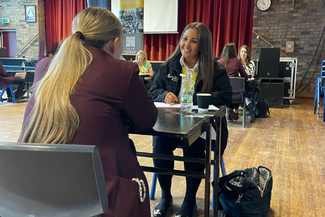
Sector evidence consistently tells us that early, repeated engagement with employers is what works. So we reach young people early, through initiatives like Children’s University and Imagine My Future in primary schools (31,870 employer encounters last year alone!) continuing through secondary with work experience, practice interviews, employer events and careers fairs.
Alongside the conversation about “modern” work experience, we mustn’t lose sight of the unique value of a week-long placement in a real workplace. Our carefully planned, outcome-led and evaluated placements work because they give young people the opportunity to experience what it’s really like to be part of a workplace. Our years of experience mean the Department for Education’s new Enrichment Framework, published in June, feels less like a new challenge and more like validation. Following the same principles as the Gatsby Benchmarks, it calls for high-quality enrichment for every young person, especially those who might otherwise miss out. For many schools, it will inevitably feel like an additional burden. But with support from EBPs, it doesn’t need to.
We’re also taking strides on supporting those not in employment education or training (NEET), or at risk of it. Milburn’s interim findings specifically highlight the importance of work experience in tackling youth unemployment. Enrichment, early careers education and meaningful work experience can all help young people build confidence and broaden their understanding of what’s possible. Through initiatives like the Next Steps Programme, delivered with the Liverpool City Region Careers Hub and The Careers & Enterprise Company, we support young people at risk of being NEET while they’re still in school. Demand for this strand of our work now outstrips capacity, so we’ve taken on new staff to meet it.
We’re expanding our employer network too, helping deliver work experience for all. And we’re positioning ourselves to support the government’s wider skills and vocational education agenda.
None of the issues outlined here are unique to Liverpool. They’re national priorities. Fortunately, through the Association of Education Business Professionals, Elevate is just one of many EBPs working on local solutions. Our approach has not changed; the national conversation has simply caught up. If you’re a school seeking effective work experience, an employer wanting to invest in your future workforce, or a young person looking for a way in, we’re here. And it’s time we made that less of a secret.
Gill Ditchburn, CEO, Elevate EBP