
Apprenticeship brokerage services
The National Apprenticeship Hub Network brings together about 25 organisations that offer local brokerage services to engage mainly with SMEs.
One of the best things about being part of the Dorset Local Skills Improvement Plan (LSIP) between local businesses and providers in the shared spaces we help to convene, so that skills are central to building a stronger future for everyone who lives and works here. Like all LSIP areas, we have many great examples of employer-provider collaboration. We know how to do this well and feedback from employers demonstrates we need to replicate these examples more widely and systemically so that far more businesses across Dorset – particularly small and micro businesses – can benefit.
That’s where the Local Skills Improvement Plan comes in. We see two roles for ourselves. The first is visible – amplifying the voices of local employers and their current and future skills needs. The second works best when we’re less visible – enabling a responsive local skills ecosystem by curating evidence, convening conversations, hiding some of the complex skills system wiring, and extending all partners’ horizons for action and investment. While LSIPs can seem like dry documents – the name may not help – the reality is that they are a process for change, built on living, breathing partnerships between employers and providers. Devolution is changing who owns them, with strategic authorities now taking joint ownership alongside employer bodies like ours, Dorset Chamber. How employers, providers and local authorities work together now matters more than ever. In Dorset, which isn’t yet devolved, we have been building those links without formal structures so far, though we look forward to the opportunities the Heart of Wessex strategic authority offers.
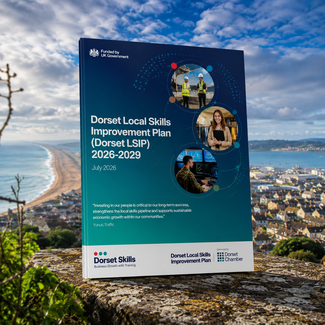
Working within the Dorset Chamber has enabled us to join in conversations with employers about what matters to them, rather than holding separate skills discussions that are disconnected from their overall business priorities. Employers tell us they are almost overwhelmed by the complexity of the skills system so our approach to engagement is based on understanding their business needs and helping to influence the responsiveness of education and training provision. Our aim is to be an independent voice advocating for everyone’s skills needs.
It’s also been vital for us to work with our local authority partners (Bournemouth, Christchurch and Poole Council, and Dorset Council) to understand their growth priorities so that our skills plan supports local economic development plans. Improving the responsiveness of education and training to local economic and skills needs isn’t a quick fix. It takes time and patient investment in relationships from all involved. It’s about fostering a culture of collaboration in which employers and providers are equal partners, investing in working together for mutual benefit to prepare more young people for local opportunities, and enable the continual upskilling of those already in work. Building a robust evidence base is also key – the LSIP must be supported by rigorous labour market and employer needs research, particularly if providers are to have confidence in it and develop their own plans in response

We regularly commission external researchers to talk directly to employers about their skills needs, finding of course that employers are looking for both specific technical skills and broader, “transferable” skills. Positive work behaviours also come through strongly. But behind this, the research is also a way of demonstrating that we are listening – something employers value. It’s hugely rewarding to see that collaboration and evidence base shaping providers’ curriculum and capital plans and, in some cases, leading to new investment in our area.
But we know there is more to do: we have a complex set of urban, rural and coastal deprivation challenges exacerbated by a limited transport infrastructure that does not always support timely travel to learn and work, accommodation costs that are a disincentive to younger people to put down roots in the area, and a rapidly ageing population. In response, our second LSIP, published this summer, is focused on building a more mature model of shared responsibility and mutual accountability so that employers, providers, local authorities and wider partners share ownership of our local skills system, contributing directly to inclusive economic growth. Our ‘Dorset Skills’ brand is designed as a trusted source of accessible skills information for employers – it’s not always easy to keep up with changes in programmes, funding and incentives and we benefit from working closely with the Dorset and Somerset Training Provider Network on this.

An excellent early report to The Gatsby Foundation on Learning from Local Skills Improvement Plans (2023), identified two skills sets for producing and implementing an LSIP. The first was engaging employers and undertaking effective research into their present and future skill needs. The second was creating actionable priorities from this evidence base, developing and agreeing a roadmap for LSIP delivery by understanding provision, funding and qualifications. We would add a third: a brokerage role, quietly leading at the boundaries between:
LSIPs have a statutory role but our success in Dorset ultimately depends on strong relationships, and wholehearted commitment to our common purpose: building a stronger future for everyone who lives and works here.
Rosie Knapper, Dorset LSIP Lead, and Jenny Williams, Skills Consultant, at Dorset Chamber.