How best can we prepare young people for a world that is changing faster than the curriculum can keep up with? Careers, employer engagement and essential skills for life and work have become perennial policy priorities in education. But translating these into something that measurably shifts student confidence and outcomes remains rare. Bucksburn Academy in Aberdeen is showing what success looks like. With support from The Wood Foundation – a venture philanthropic organisation – and its school improvement programme Excelerate, Bucksburn has built an industry-connected curriculum that tackles both challenges at once – developing the skills young people need to thrive while giving them genuine insights into future career options.
The model is rooted in Scottish education, but its practical, adaptable approach makes it a strong blueprint for any school that is looking to give young people a richer experience of the world beyond the classroom. Bucksburn’s centrepiece is S3 Pathways, a programme for S3 pupils (equivalent to Year 10 / Key Stage 4). Built around immersive, project-based learning, it focuses on key local employment sectors ranging from construction and digital technologies to creative industries and hospitality. Each pathway is carefully co-created with employers, colleges and community partners. Every pupil gets real workplace exposure and develops practical, transferable skills before facing the high-stakes choices that come next.
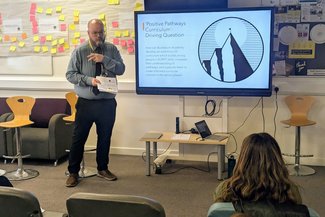
And these choices matter. Bucksburn’s own data shows that attendance and behaviour deteriorate during S3 – exactly when pupils are being asked to make their biggest decisions about the future. S3 Pathways is designed to meet young people at that moment, giving them valuable insights and support before the pressure lands. Among the first cohort to complete the programme, uncertainty about future careers dropped from 26% to under 16%.
The document below explores Bucksburn’s approach in detail. Inside, you will find:
- Evidence that made the case for change – and how the school obtained buy-in from staff, partners and pupils.
- How to research alternative approaches and adapt these to new contexts.
- How to build the structures needed to transform vision into reality – from external coaching and steering groups to implementation planning.
- How to engage local employers and community organisations to co-design a sector-based curriculum.
- Why a dedicated Business and Community Support Officer – a role focused solely on cultivating employer and community partnerships – has been the single biggest enabler of the model, generating more than 870 hours of real-world learning for pupils.
- How the model has evolved in response to feedback – including practical tools developed to help young people make better-informed pathway choices.
- Outcomes data and input from pupils, teachers and partners on the programme’s impact, as well as intended next steps.
Download the full report and see how Bucksburn made it happen and what it could mean for your school.