Island Schools: Leading Global Innovation
Island communities offer a unique setting for young people to grow up and prepare for life and work. But they are also a fertile testing ground for new ideas adaptable to mainland education systems
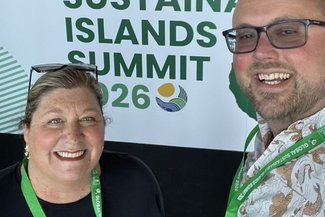
As part of this year’s Virtual Island Summit (September 15 - 17), Edge sponsored a session exploring how teaching indigenous island languages can power education, culture and belonging. We were delighted to welcome five speakers whose very different stories kept returning to one big idea – for a language to survive, it must be lived as well as taught.
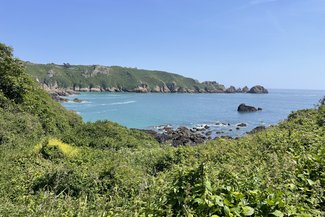
Ben Spink, (Head of Jèrriais Teaching Service in Jersey) traced the growth of the island’s traditional language, originally brought by 10th-century Normans, and the factors behind its decline in favour of English. Revival began in 1999 with L’Office du Jèrriais, which was eventually followed by the first qualified Jèrriais teachers in 2017. In 2019, it became Jersey’s third official language. An ambitious strategy has since brought a language academy, weekly conversation groups, picture books and even a radio slot, while music and film have played a big part in repopularising it. Meanwhile, a new bilingual verse in the island anthem and an award-winning documentary, ‘À Bétôt? Goodbye?’ – exploring the last generation of speakers – have propelled its revival. For Ben, the clearest sign of success is when communities run with a language beyond the programmes built to teach it, as shown by Jèrriais’ adoption by a local arts collective, in films and in a new Jèrriais choir.
Maxine Brown, (Director of Culture, Saint Vincent and the Grenadines) told a similar story. Each year, during two national heritage months, Garifuna elders and diaspora teach their language through song, dance, pronunciation and food. Habinaha Garinagu, a Garifuna language performing arts programme has helped turn what many students once considered ‘boring history’ into something they’re proud to perform. Meanwhile, a pilot curriculum is testing formal Garifuna teaching in schools, backed by government ministers and the Prime Minister. For Maxine, this is as much about heritage as about anything – proven by UNESCO’s recognition of Garifuna language, dance and music, and of an historic exile site, now a protected heritage ground and pilgrimage destination.
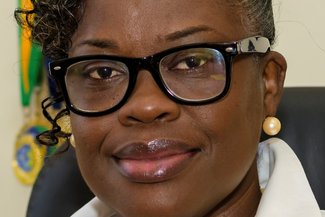
Hannah Mary Goodlad, (Minister for Public Finance, Government of Scotland) noted Shetland’s language and its place at a historical crossroads – Old Norse and Old Scots layered with Viking, Hanseatic and wartime Norwegian. More recently, like Jèrriais, it was considered only fit for the playground. Today around 40% of Shetlanders speak it. Hannah said island vocabularies often encode biodiversity and geography, with words for weather, flora and fauna. So losing a language is about more than words – it means losing real knowledge of the land. The Faroe Islands' language revival, for example, has made Faroese the primary language of education, government, and media, while actively modernising its vocabulary for contemporary life.
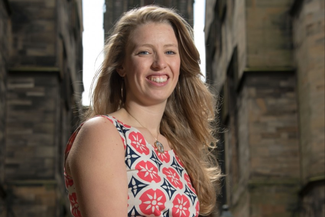
Nirvana Krishnaveny Lavictoire, (Middlesex University Mauritius) explored issues around language, colonisation and status. English is the official language of Mauritius, but is only spoken fluently by 0.3% of the population. Creole – the mother tongue of roughly 70% of people – is considered ‘low-status’. More than ten other ancestral languages are also spoken. Against an English-language monoculture in a student body of 44 nationalities, Nirvana and her students co-designed a language and culture café. Mauritian students now teach Creole to international peers, with all participants introducing their own languages, stories and cultures. Over 100 students have taken part andr eported feelings of greater representation, belonging, cross-cultural connection, friendship and confidence.. Ensuring language and cultural experiences are seen, heard and valued can enrich learning for all.
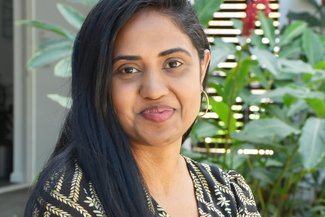
Aalin Clague (Manx Language primary school teacher, Isle of Man) talked about the near-death and recovery of Manx. Almost sidelined to extinction by 19th-century English schooling, the language was kept alive by collectors of old songs and sayings, before being reintroduced as an optional school subject in the 1990s. It is now taught through full immersion at Aalin’s school, which this year welcomed back one of its very first pupils as a teacher. Aalin and a colleague have written seven Manx-language musicals, understanding that children learn best when using the language in a way that engages them. Aalin also echoed Hannah’s point on biodiversity, citing the recent rediscovery of lost oyster beds off the West of Scotland by researchers reading old Gaelic place names.
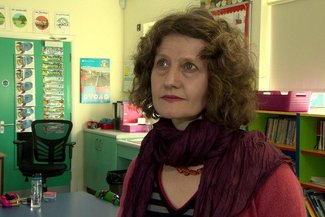
Five islands, five different stories, but all with a similar message: language is more than words. It is about resilience and ties to culture and identity. Languages thrive not when learned from a textbook, but when they are lived.
Arianna Abdul-Nour, Head of Education and Capacity Building, Island Innovation
You can see a recording of the session here.